The Essential Toolkit: Understanding and Utilizing Digital Icon Collections
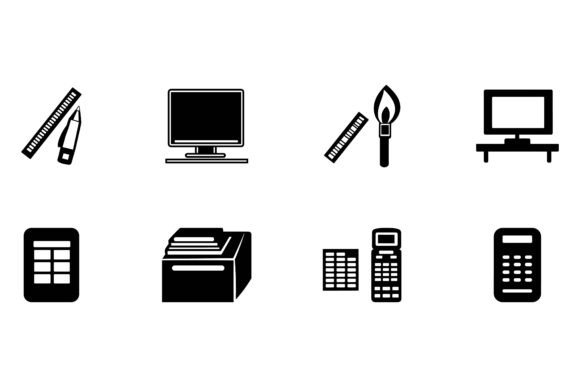
In the digital workspace, visual communication is paramount. Symbols and pictograms convey complex ideas instantly, bridging language barriers and streamlining user interaction. Among the most versatile assets in this visual lexicon are collections of computer icons. These sets are more than just decorative graphics; they are structured libraries of design elements engineered for clarity, consistency, and adaptability.
The Anatomy of a Professional Icon Set
When evaluating a collection of digital illustrations, the underlying structure is as critical as the visual design itself. A professionally crafted set, such as a specialized AI EPS collection, is built with a meticulous foundation. The files are not simply flat images but are often vector-based, meaning they are constructed using mathematical paths rather than pixels. This approach allows for infinite scalability without any loss of quality, whether the icon is rendered on a tiny mobile screen or a large format print poster.
Furthermore, the organization within the source files reflects thoughtful design. A neat layer structure within an Adobe Illustrator (AI) or Encapsulated PostScript (EPS) file means each element is logically grouped and named. This organization transforms the set from a static image pack into an editable toolkit. Designers can isolate specific components, such as altering the color of a single element within a complex icon without disturbing the rest of the illustration.
Practical Applications Across Industries
The utility of a well-structured icon collection extends far beyond generic use. In the realm of web design, these icons serve as intuitive navigation aids, call-to-action symbols, and visual enhancements for content. Their crisp scalability ensures they remain sharp on high-resolution displays. For application developers, a consistent icon set provides the graphical language for user interfaces, creating a seamless and familiar experience across different functions within the software.
In print media, the vector nature guarantees that brochures, manuals, and corporate reports feature sharp, professional-grade graphics. Educators and researchers utilize icons in infographics to distill data and processes into understandable visual flows, making complex information accessible. Business owners integrate them into branding materials, presentations, and internal documents to establish a cohesive visual identity. Even hobbyists and creators find value in these sets for personal projects, from designing custom merchandise to enhancing digital art.
Key Advantages of a Vector-Based Approach
The decision to use an AI EPS format collection centers on control and flexibility. The primary advantage is the ease of customization. Users can edit the icons, change colors, and modify shapes to align perfectly with a specific project's palette and style. This is not a destructive process; the original vector paths remain intact, allowing for experimentation and revision without degrading the asset.
Another significant benefit is consistency. A professional set is designed with a unified aesthetic—line weights, corner radii, visual metaphors, and style are harmonious across all icons. This perfection in details means that when you use multiple icons from the same collection, they work together as a visual system, reinforcing professionalism and clarity rather than appearing as a haphazard assortment.
The cross-platform compatibility mentioned, being designed for both Mac and Windows users, addresses a practical technical consideration. It ensures that the file formats open and behave correctly in standard design software on different operating systems, removing a common barrier to collaboration and workflow.
From Acquisition to Implementation
Integrating a new illustration set into your workflow begins with understanding its contents. Typically, such collections include both the native AI/EPS source files and rendered JPG previews or exports. The JPG files can be useful for quick placement, initial mock-ups, or in environments where vector editing is not required. The AI and EPS files are the core assets, holding the editable vector data.
The process of using them often involves opening the source file in a vector editing program like Adobe Illustrator. From there, you can browse the neatly organized layers, copy specific icons or groups into your project file, and begin customization. Changing a color might involve selecting a specific layer and adjusting its fill property. Modifying an icon could mean tweaking a path or combining elements from different icons within the same set to create a new, unique symbol that still matches the family's style.
Considerations for users include ensuring their software supports the EPS or AI format and understanding the licensing terms of the collection. The suitability for print, web, symbols, and apps as listed is a testament to the technical preparation of the files—they are likely provided in colorspaces and resolutions appropriate for these varied outputs.
The call to action, "So what are you waiting for? Buy now and start using this awesome illustration," speaks to a recognition of immediate utility. For a professional facing a tight deadline or a creator inspired by a new project, a ready-made, high-quality asset library can accelerate production and elevate quality. It represents a shift from searching for disparate, inconsistently styled icons to deploying a coherent visual toolkit.
The Role of Icon Sets in Modern Digital Communication
Observing trends in digital design, the demand for such specialized collections is growing. As interfaces become more minimalist and information density increases, the reliance on clear, symbolic communication intensifies. An icon must convey its function or concept almost universally. A well-designed set addresses this by adhering to common visual metaphors—a gear for settings, a house for home, a cloud for storage—while executing them with a unique yet readable style.
These collections also empower non-designers. A marketing manager, an educator preparing slides, or a small business owner creating a website might not have the time or skill to draw custom icons from scratch. Access to an editable, professional set allows them to implement high-quality graphics directly, tailoring them to their needs without requiring deep expertise in graphic design software.
In essence, a computer icon set, particularly one prepared with the technical care described, is a bridge. It bridges the gap between complex idea and simple visual representation. It bridges the gap between professional design standards and the practical needs of diverse users. And it bridges the gap between a static, purchased asset and a dynamic, personalized design element. The value lies not just in the images provided, but in the structure, flexibility, and thoughtfulness embedded within the files themselves, enabling a wide array of individuals and professionals to communicate more effectively in the digital world.