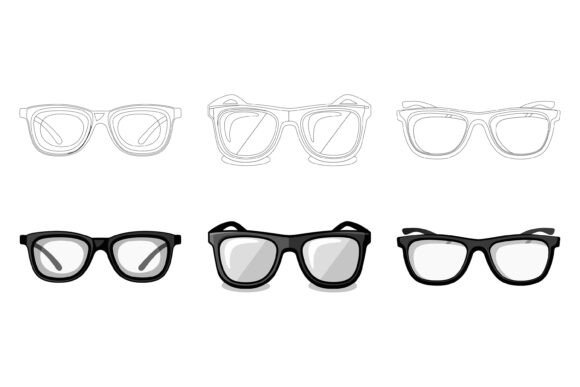
Optical Reading Glasses: A Modern Tool for Digital Comfort
In our increasingly screen-centric world, visual comfort has become a priority for millions. Optical reading glasses, often distinct from traditional prescription eyewear, serve a specific and valuable purpose. They are designed primarily to reduce eye strain during close-up tasks, such as reading digital documents, browsing websites, or working on detailed creative projects. While the term might evoke images of classic magnifying lenses, today’s context often merges the concept with the digital tools we use to create and consume content.
Beyond Magnification: The Role in Digital Creation
For professionals, creators, and business owners, visual clarity is not just about seeing text—it's about precision in design and efficiency in workflow. This is where the utility of specialized tools, both physical and digital, intersects. Consider a graphic designer working on a complex vector illustration set. The fine details, anchor points, and color gradients require sustained focus. Optical reading glasses can provide the physical comfort needed to scrutinize these elements for hours, preventing fatigue that leads to mistakes. Simultaneously, the digital assets they are working with, like high-quality illustration collections, must themselves be clear, organized, and easy to manipulate.
Characteristics of a Supportive Visual Workspace
A truly supportive environment combines ergonomic hardware with impeccably designed software resources. What characteristics define the digital side of this workspace?
- File Accessibility: Resources designed for both Mac and Windows users eliminate platform barriers, ensuring everyone can access the tools.
- Structural Clarity: A neatly organized file and layer structure is akin to a well-arranged desk—it saves time and reduces frustration.
- Detail Consistency: Perfection in details within the digital asset means the creator doesn’t have to compensate for inconsistencies, allowing their attention to remain on the creative vision.
Who Benefits from This Combined Approach?
The synergy between physical visual aids and well-crafted digital resources extends across several groups.
- General Consumers & Online Users: Anyone who spends significant time reading on devices for leisure or learning can benefit from reduced eye strain, making the experience more enjoyable and sustainable.
- Content Creators & Freelancers: These individuals often work independently on tight deadlines. Optical reading glasses help maintain focus, while editable, multi-format illustration sets (like those including AI EPS and JPG files) provide the versatile raw materials needed to produce client work efficiently.
- Small Business Owners: From creating marketing materials to designing app interfaces, business owners need to execute professional designs without a large team. Tools that are “suitable for print, web, symbols, apps, infographics” and easily editable empower them to handle diverse needs.
Real-World Applications and Scenarios
Imagine a scenario where a marketing professional is preparing a campaign. They need to create a cohesive visual identity across a brochure, a website banner, and social media posts. Using optical reading glasses, they can comfortably work on their computer for extended periods. They then utilize a comprehensive illustration set where they can “edit it, change colors and modify the icon so easily according to their needs.” This practicality translates directly into faster turnaround times and brand consistency. Another example is an app developer needing to integrate custom icons into their user interface. The ability to modify vector files (AI EPS) ensures the icons perfectly match the app’s theme and resolution requirements without losing quality.
Evaluating Your Needs and Project Suitability
Before integrating any new tool into your routine, a practical evaluation is wise. For optical reading glasses, consider the nature of your close-focus work: the average distance to your screen, the duration of your tasks, and any pre-existing eye discomfort. Consult with an optician or eye care professional to find the correct strength and type for your specific situation—over-correction can cause its own problems.
For digital resources like illustration collections, your evaluation should mirror this practicality. Ask yourself: Does the file format compatibility match my software? Is the layer organization logical enough for my skill level? Are the details sufficiently consistent for my project's scale? Most importantly, does it solve a specific problem or save me significant time? The value lies not in the quantity of files, but in their application-driven design.
Strengths and Practical Considerations
The strengths of this dual approach are clear: enhanced physical comfort leads to better concentration and endurance, while versatile, editable digital assets provide creative freedom and efficiency. However, there are considerations. Optical reading glasses are task-specific; they are not a replacement for comprehensive prescription eyewear if you have broader vision needs. Similarly, a digital illustration set is a tool, not a complete solution—your skill and creativity in applying it are what produce the final result. The limitation, if any, is in expecting either tool to perform outside its intended scope.
The End Goal: Unhindered Creativity and Productivity
Ultimately, the pursuit of tools like optical reading glasses and professionally crafted digital collections is about removing obstacles. They address the friction points in the creative and productive process—physical strain and logistical inefficiency. When your eyes are comfortable and your resources are adaptable, your energy is directed entirely toward the task itself: writing, designing, building, or learning. This state of unhindered work is where quality and innovation thrive. Whether you are a professional crafting a brand’s visual identity or a consumer enjoying a long digital novel, the principle is the same: the right tools, both for your body and your computer, make the experience not just possible, but pleasurable and effective.
Informed choices in these areas empower you to work smarter. By understanding the purpose and value of each component, you can assemble a workspace that truly supports your ambitions, from the smallest detail on a screen to the broadest application of your finished project.